

We built this because SEO audits kept failing the people who needed them most
Started in a shared office in Krugersdorp
Back in 2021, three of us sat around a laptop trying to explain to a small business owner why their website wasn't showing up in search results. We had the technical knowledge, but every explanation felt like we were speaking another language. The owner nodded politely, paid the invoice, and we knew they still didn't really get it.
That bothered us more than it should have. SEO audits were either dumbed down to the point of uselessness or so technical that only other developers could parse them. There was no middle ground where real business owners could actually understand what was wrong and what to do about it.
So we started building something different. Not a tool that generates automated reports. Not a consultancy that speaks in jargon. A place where someone running a shop, a service business, or a local operation could learn to audit their own site and actually understand the findings.

The people running this
We're not a large operation. Just a small group who got frustrated with how inaccessible SEO education was and decided to do something about it. No corporate structure, no remote management. Everyone here teaches workshops and works directly with participants.
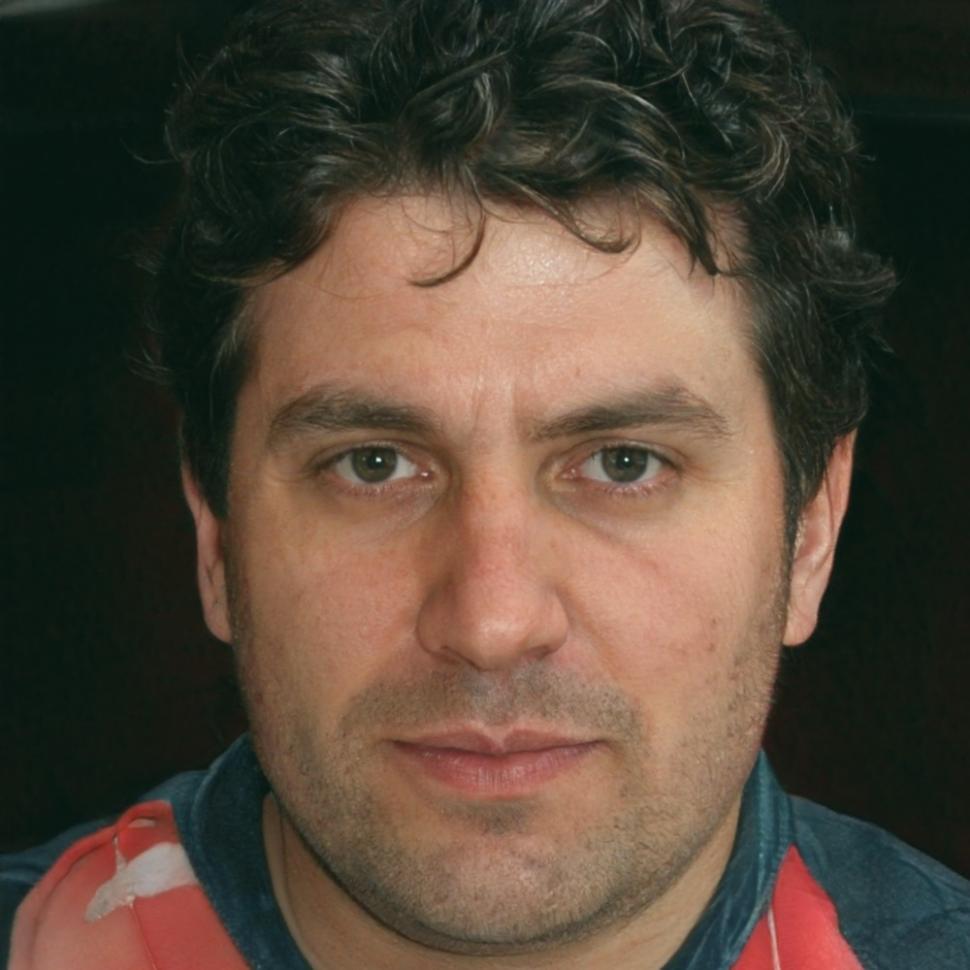
Gerhardt Visser
Technical Lead
Spent eight years doing technical SEO for agencies before getting tired of writing reports no one read. Now focuses on teaching people how to read audit data and prioritize fixes that actually matter.

Pieter du Toit
Curriculum Developer
Background in adult education and content strategy. Designs workshop structures that balance technical accuracy with practical application. Tests every exercise on real participants before adding it to programs.
What actually happens in our workshops
We don't lecture. Participants bring their own websites or work on provided case studies. First hour covers one specific audit area in detail. Second hour is hands-on work identifying issues using browser tools and free resources. Final segment is group review where everyone compares findings and discusses which problems to tackle first.
Classes max out at twelve people because that's the point where individual guidance becomes impossible. We use real examples with actual broken sites, not sanitized textbook scenarios. If something goes wrong during a live audit, we work through the problem together instead of skipping to prepared slides.
The goal isn't to turn participants into SEO consultants. It's to give them enough understanding to spot technical problems, know what they mean, and either fix them or explain the issue clearly to whoever can.

What guides how we teach
Show the actual problem
Every concept gets demonstrated with a real website where the issue is visible. We don't talk about hypothetical scenarios or show polished examples. You see broken implementations, understand why they break, and learn to spot similar patterns.
Build diagnostic skills first
Learning to identify problems comes before learning to fix them. Participants practice spotting technical issues across different sites before touching any code or settings. Recognition has to become automatic before solutions make sense.
No proprietary tools required
Everything we teach uses browser developer tools, free validators, and standard diagnostic methods. If you need a paid subscription to apply what you learned, we didn't teach it right. Skills should work anywhere with internet access.
Context over rules
SEO best practices change based on site type, audience, and goals. We focus on understanding why certain approaches work so participants can adapt techniques to their specific situation rather than following rigid checklists.
Want to learn how to audit sites properly?
Current programs are running with spots available. Check what's offered and see if the approach matches what you need.
View Learning Programs